
Connecting Cambridgeshire & CAPASP Join Cambridge United Foundation to support seniors with online safety
This blog first appeared on the Cambridgeshire Digital Partnership website on 10 February 2026
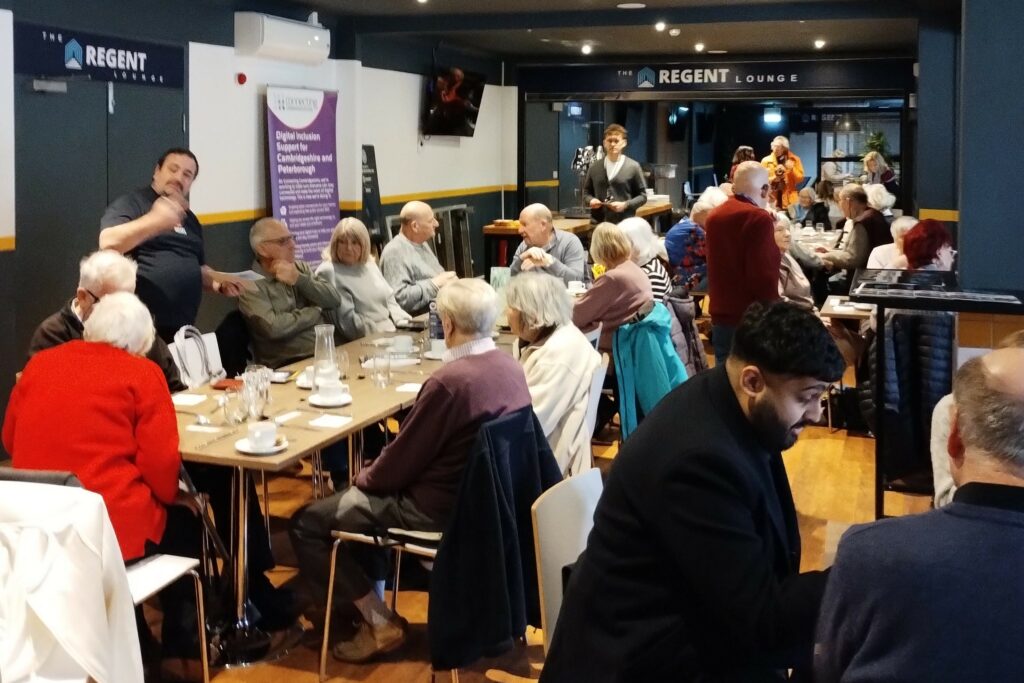
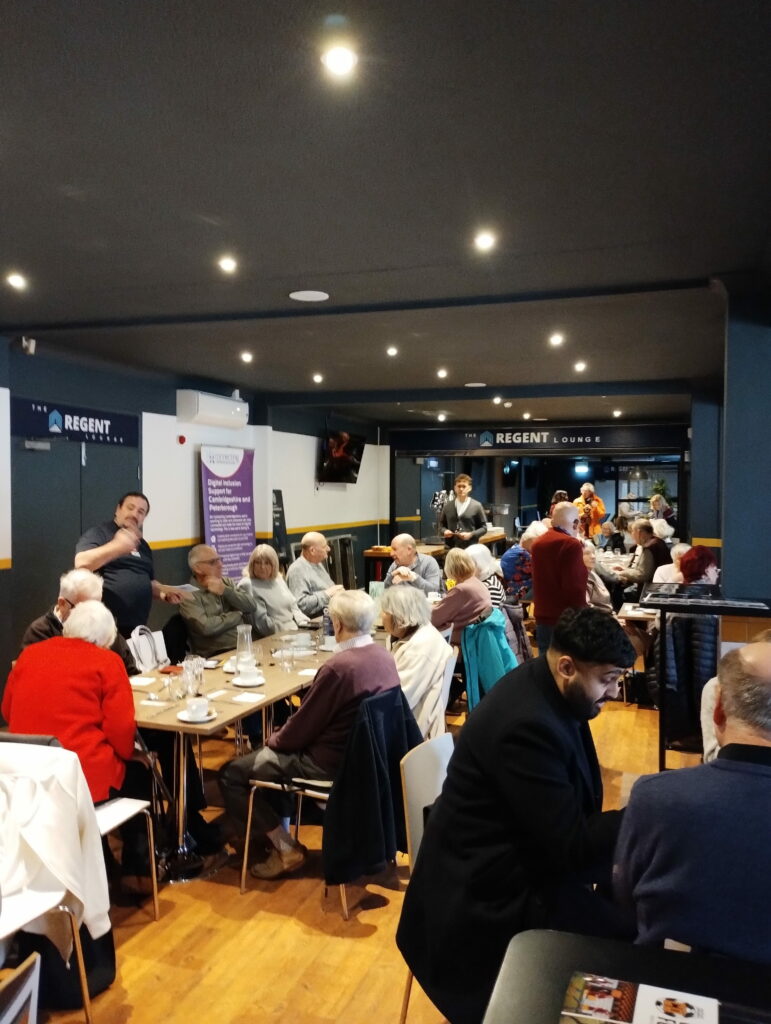
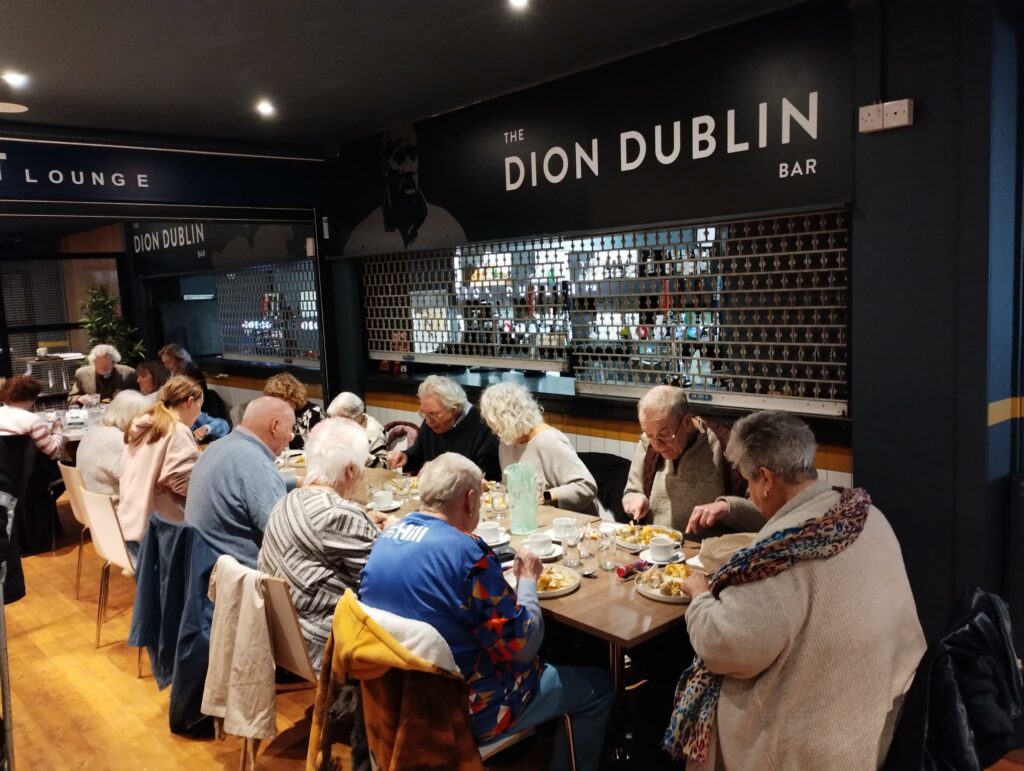
The Signature Suite at Cambridge United Football Club was buzzing with conversation, connection and community spirit last week (Thursday 5 February 2026) as seniors gathered for the Cambridge United Foundation’s latest monthly Seniors Lunch, joined by representatives from Connecting Cambridgeshire and the Cambridgeshire & Peterborough Against Scams Partnership (CAPASP).
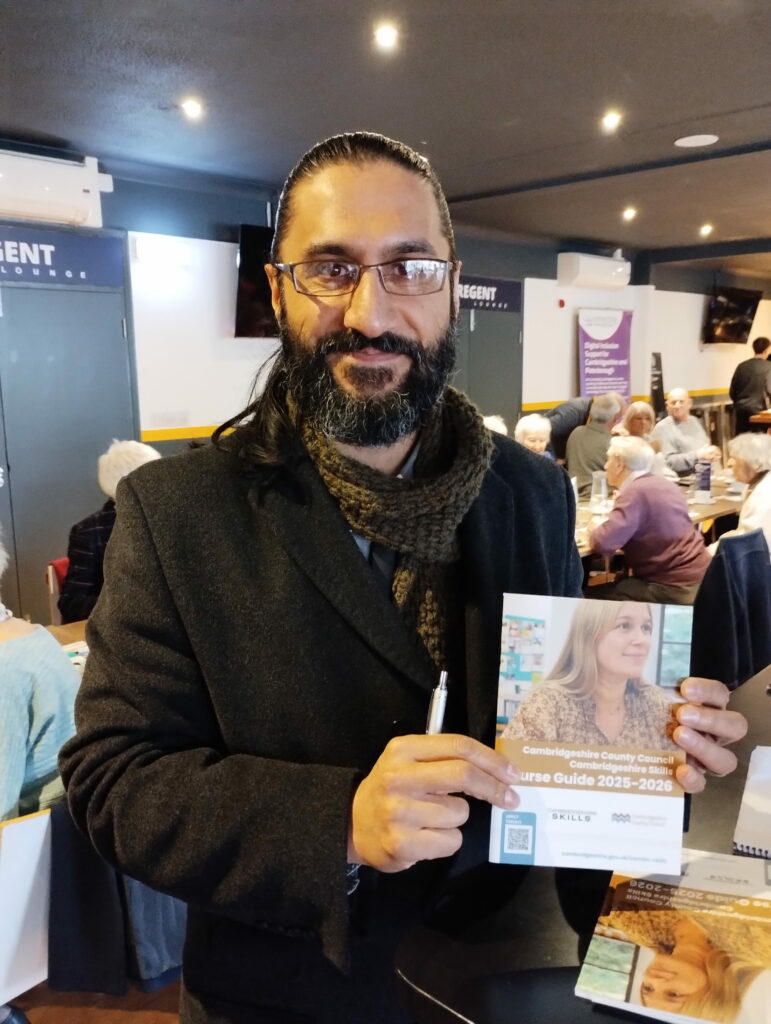
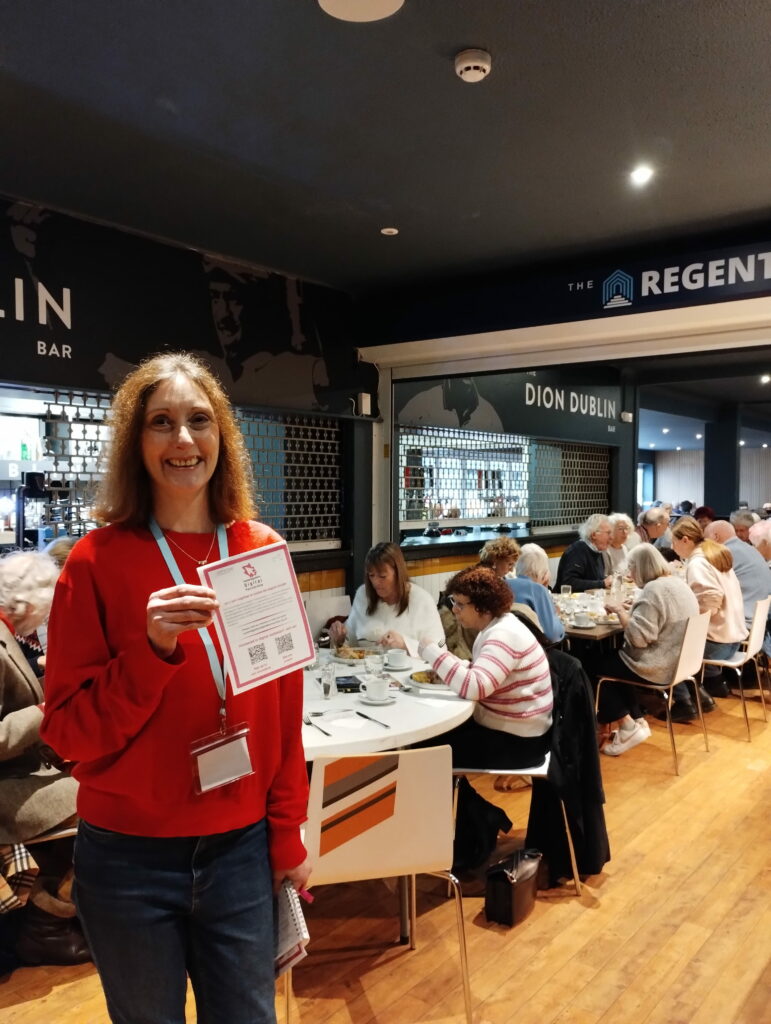
Cambridgeshire Digital Partnership (CDP), Cambridge Online, Office of the Police and Crime Commissioner, Cambridgeshire Skills, CamSight, Community Transport Association UK, and Cybercrime and Fraud Prevention Officers from Cambs Police were all on hand to answer questions and offer advice.
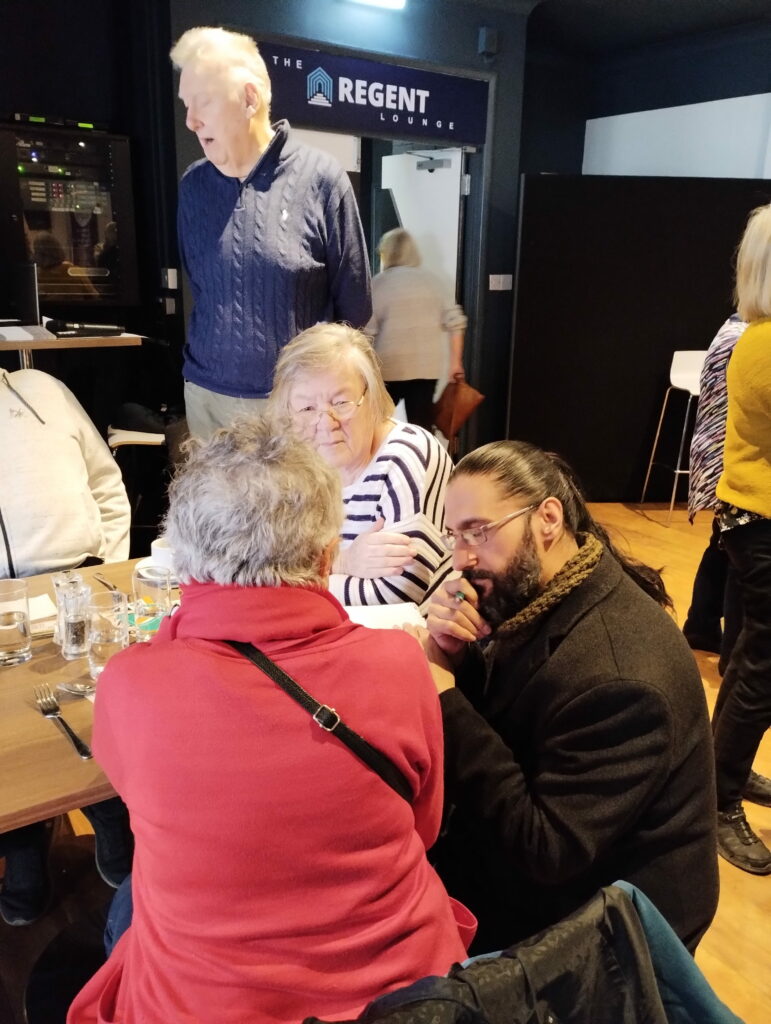
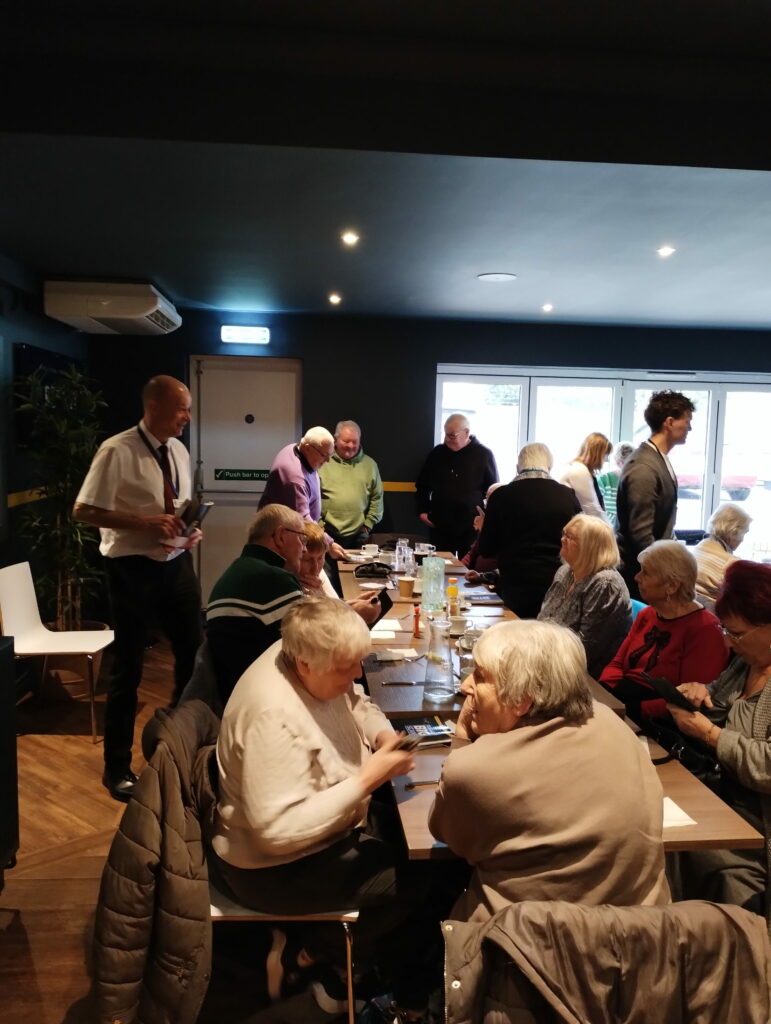
While enjoying a cup of tea upon arrival, chatting with others and waiting for lunch to be served, attendees had the chance to chat with the digital inclusion leads, scam prevention experts and local partners about what really matters to them when it comes to staying safe online. Many shared concerns about fraud, phishing, and the sheer volume of information they’re expected to navigate – while partners offered practical guidance, reassurance, and clear routes to support.
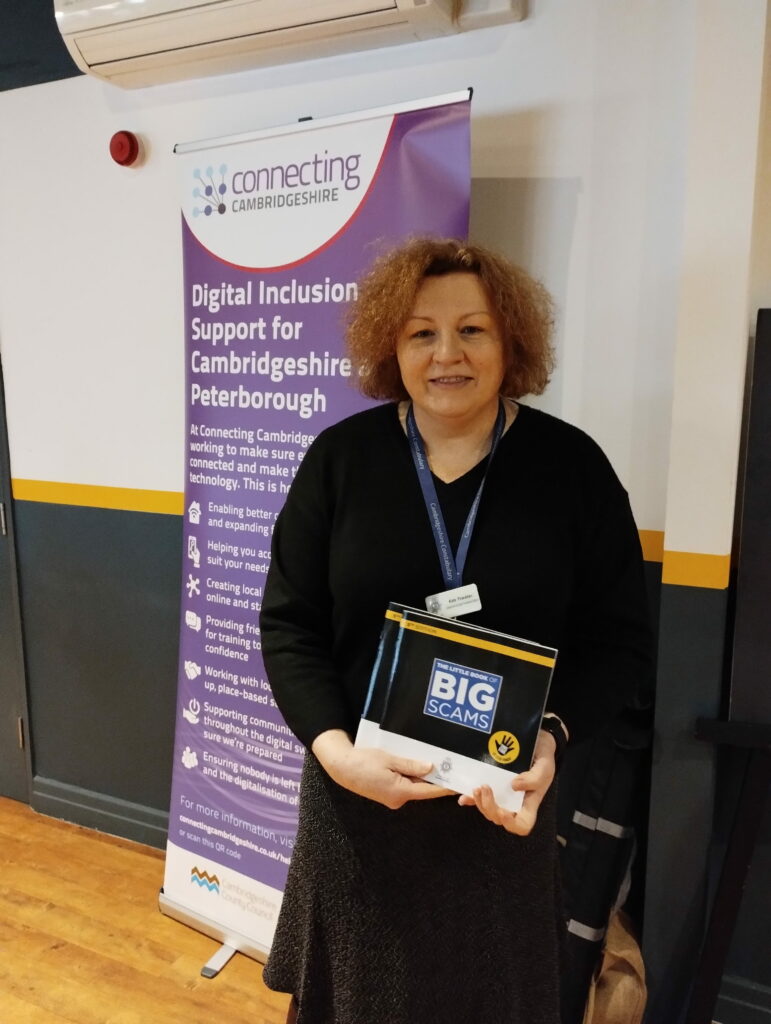
Printed resources were laid out across tables, with information on avoiding scams, spotting rogue traders, and finding trustworthy digital help. The informal, friendly setting meant conversations flowed naturally, with small groups gathering around tables to share experiences and ask questions.
Will Plant, Connecting Cambridgeshire Senior Programme Manager – Digital Inclusion, said: It was great to see such a variety of partners from CAPASP engaging with the attendees on a range of topics, and sharing information on how they can learn more and find support should they need it. I’m really hopeful that attendees took something useful away from the event and look forward to seeing them again – as well as some new faces – as we look to continue raising awareness and supporting better digital inclusion in partnership with Cambridge United Foundation.”
One of the strongest themes was the group’s growing digital confidence. Many had clear strategies for staying safe.
Staying Vigilant: Real Experiences With Online Scams
- Several people described being cautious with emails — hovering over suspicious addresses to spot “nonsense” senders or rebooting devices after clicking on a harmful link.
- A few attendees had experienced financial scams, including cloned bank cards and fraudulent purchases, but had acted quickly and had their money returned.
- Some received regular phishing texts pretending to be from friends, but confidently ignored them.
- Others had received fake Royal Mail cards through the door asking for extra postage or directing them to a QR code — and they were rightly suspicious.
- A number of people had their phones set up to automatically detect scam calls and messages, with “SCAM” flashing on their screen so they could safely ignore them.
- One man said his friend had been tricked into visiting a website that allowed scammers to access his computer, which left a strong impression on him.
- Another attendee said that when he knows a caller is a scammer, he sometimes keeps them talking to waste their time — once chatting at length with a fake “Amazon” caller before telling them he knew it wasn’t real.
One woman also shared that she only uses PayPal for online shopping and never her debit or credit card. She recently attempted to buy some nail varnish online, and PayPal repeatedly rejected the transaction and flagged it as suspicious. She was incredibly grateful and described it as a brilliant layer of protection.
Challenges of navigating the online world in general:
- A group of men shared their experiences of ordering items online that took a long time to arrive and looked nothing like the photos. One attendee recommended doing a separate search for the same product and choosing more trustworthy sellers.
- Another attendee reflected on how tricky it has become to tell real news from fake news, especially as misinformation becomes more sophisticated. It was discussed how important digital awareness is in helping people recognise misleading content.
The session came about after some previous engagement carried out by Connecting Cambridgeshire highlighted that many older residents had concerns about online safety, so Will reached out to Cambridge United Foundation and attended an Afternoon Tea event last year. Bringing partners directly into the Seniors Lunch created the perfect opportunity for more meaningful, person-centred conversations – and ensured that everyone attending went home with practical information and advice they could use straight away.
The event also showcased the strength of local partnership working, with organisations from across Cambridgeshire collaborating to support residents and raise awareness of the help available.
Connecting Cambridgeshire and CAPASP will be sharing follow-up communications, including more photos from the day and ways for partner organisations to stay involved.

Related Posts

Young people lead the conversation at Peterborough’s Online Safety conference

Small Cell Forum launches new initiative to bridge gap between Local Authorities and the small cells industry